
I remember a year that was particularly hard, after I had to stop working due to another big change in my physical ability : my chronic pain had increased, my energy fluctuating in a way I could no longer recognize, I started having painful swallowing issues and while doctors were trying to find a reason for all this, my employer was not interested in changing the way we worked together to acccomodate these increased limitations. I had to go on medical leave and I was angry, discouraged, and depressed about my circumstances, to the point of not being able to be my usual creative self. My mind couldn't generate ideas about how to care for myself and keeping me interested in my own life. I was begging my partner to help me find a new path for now, I couldn't even brainstorm about new hobbies or topics of interests to look into. Searching on Google would seem to only return variations on the same short lists that might all have been generated with AI.
It's hard to be creative and solution-focussed when we are depressed, tired, and ruminating on our challenges. Are you in a season of your life where it is hard to find new ideas?
Here is a list of real hobbies that fellow people with disabilities mentionned as one of their new passions in a discussion group within only one hour. I was amazed at the variety. Of course, since there is a diversity of unique abilities and disabilities, you might not be able to practice all of them, but I'm sure you might find several that could be done. Most of the time, we don't know how much we will like to learn and do something before we try it. For example, I never thought I would one day take parasailing and harp lessons and enjoy it so much!
Which ones could you be curious about?
Take a look at this list with an open mind :
A list of favourite hobbies with disabilities - Categories and examples
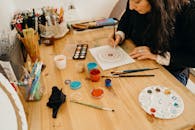
1) Arts and crafts
- Drawing and painting (watercolor, acrylics, ink, digital illustration)
- Sculpture and ceramics (clay, pottery, air-dry clay)
- Textile arts (knitting, crocheting, sewing, quilting, embroidery, needlework)
- Weaving and fiber arts (loom weaving, macramé)
- Paper crafts (origami, scrapbooking, card making, collage)
- Jewelry making and beading
- Printmaking (linocut, screen printing)
- Glass art and mosaic (with appropriate safety adaptations)
- Calligraphy and hand lettering
- Photography and photo editing (including accessible cameras and software)
- Digital art and graphic design
- Crafting for therapy and mindfulness (adult coloring books, mandala art)
2) Performing arts, music, and dance
- Singing and choir participation
- Playing musical instruments (guitar, piano/keyboard, violin, flute, drums, ukulele, percussion)
- Music creation and production (DAWs, loopers, MIDI)
- Adaptive dance and movement-based performance
- Theater, acting, and improv (with accessibility accommodations)
- Poetry, spoken word, and storytelling
- Dance therapy and rhythm-based activities
- Karaoke and open-mic nights (with accessible venues)
3) Reading, writing, and language
- Book clubs and reading for pleasure
- Creative writing (fiction, poetry, memoir, fan fiction)
- Journaling and blogging
- Language learning and practice (new languages, sign languages)
- Research, history, and genealogy projects
- Speech-to-text journaling or writing with assistive tech
- Editing, proofreading, and editorial work (beta reading)
4) Games, puzzles, and tabletop activities
- Board games (with accessible setups and large-print or braille components)
- Card games (adapted cards, rule modifications)
- Role-playing games (D&D or other systems with accessible rules)
- Chess, checkers, go, and other strategy games
- Puzzles (crossword, Sudoku, logic puzzles, jigsaws with adaptive tools)
- Video games (with accessibility features and input adaptations)
- Geocaching and scavenger hunts (adaptive approaches)
- Escape rooms and puzzle events (accessible formats)
5) Technology, maker, and STEM hobbies
- Coding and software development (web, app, game development)
- Robotics and electronics tinkering
- 3D printing and CAD design
- DIY electronics and assistive tech projects
- Home automation and smart-device tinkering
- Accessibility testing and UX research
- Data analysis and statistics as a hobby
- Flight simulators, model trains, or RC vehicles
- Augmented reality (AR) and virtual reality (VR) experiences
6) Sports, recreation, and adaptive physical activities
- Wheelchair basketball, wheelchair tennis, wheelchair rugby
- Para-swimming, adaptive rowing, para-caddie golf
- Boccia, archery (adaptive), goalball, sitting volleyball
- Para-athletics (sprints, distance running with assistive devices)
- Adaptive cycling or handcycling
- Sled hockey or other disability-specific team sports
- Adaptive climbing (bouldering with supports)
- Fitness and wellness programs adapted to individual needs
- Yoga, tai chi, and mindfulness-based movement with accessibility accommodations
7) Outdoor, nature, and garden hobbies
- Accessible photography and nature photography
- Birdwatching with adaptive equipment
- Gardening with raised beds, accessible planters, or container gardening
- Beekeeping adapted for mobility or sensory needs
- Fishing with accessible gear and local-access guidelines
- Camping with accessible gear and barrier-free sites
- Nature journaling and field guides adapted for vision/hearing
8) Food, cooking, and culinary arts
- Cooking and baking with adaptive tools and workspace arrangements
- Recipe adaptation and texture/accommodation-focused cooking
- Fermentation, pickling, and other kitchen science experiments
- Culinary blogging or cooking show-style video content
- Food philanthropy, community kitchens, or nutrition education as hobbies
9) Travel, culture, and community engagement
- Accessible travel planning and researching destinations
- Museum, gallery, and cultural site visits with accommodations
- Volunteering and community service (local organizations, advocacy groups)
- Peer mentoring, tutoring, and support groups
- Public speaking and advocacy (with accessible formats)
- Language exchange and cultural clubs
- Storytelling and documentary projects about disability experiences
10) Collecting, history, and archiving
- Stamps, coins, comics, toys, or figure collections
- Model kits, miniatures, and diorama building
- Train sets and model railroading with adaptive setups
- Archiving family history, photos, and documents
- Restoration projects (furniture, books, heirlooms)
- Museum or archive volunteering and cataloging work
11) Self-care, personal development, and creative expression
- Mindfulness, meditation, and stress-management hobbies
- Nature-based relaxation, sensory-friendly playlists, aromatherapy (where appropriate)
- Fashion and styling as creative expression (adaptive fashion, accessibility-inclusive design)
- Humor, comedy writing, and light entertainment
Accessibility notes to consider
- Many hobbies can be made accessible with: adaptive equipment (raised work surfaces, specialized tools, braille/large-print materials), venue accessibility (ramps, accessible restrooms, quiet spaces), assistive technology (screen readers, voice control, switch control), flexible rules or pacing, and inclusive community norms.
Leave comparison and perfectionism behind
All you need to be in a good flow is a willingness to try, learn and just enough challenge to get absorbed into what you are doing. Easy gets boring fast. Growing doesn't.

Etienne LeSage