
TL;DR
People with disabilities are not obligated to inspire non-disabled people. Society defaults to two destructive archetypes - the pitiful charity case and the superhero overcomer - both of which serve others' emotional needs while reinforcing the disabled person's internal ableism. A good life with disability begins by abandoning the warrior narrative and treating your body as a permanent teammate, not an enemy.
Key Takeaways
- The "inspiration obligation" is a social construct, not a personal responsibility. Disabled people are not required to manage non-disabled people's emotional comfort through their stories or example.
- Society assigns disability one of two identities: the pitiful charity case or the superhero overcomer. Both archetypes exist to serve non-disabled observers and neither accounts for the disabled person's actual needs.
- Performing as a "super-cripple" reinforces internal ableism. The pressure to be an exceptional overcomer reflects and amplifies the part of the disabled person that rejects their own disability.
- The warrior narrative - the idea of "fighting" one's disability or body - sets disabled people up to fail. It leads to burnout, shame, and guilt for experiencing normal human limitations.
- Accepting limitations is a strategic act, not a surrender. The body is a permanent teammate, and working with it is more sustainable than working against it.
Don’t Inspire Others with Your Disability (Do This Instead)
Friend, do you feel the pressure of having to inspire others with your disability, especially non-disabled people? You can quit doing that. You don't have to do it anymore.
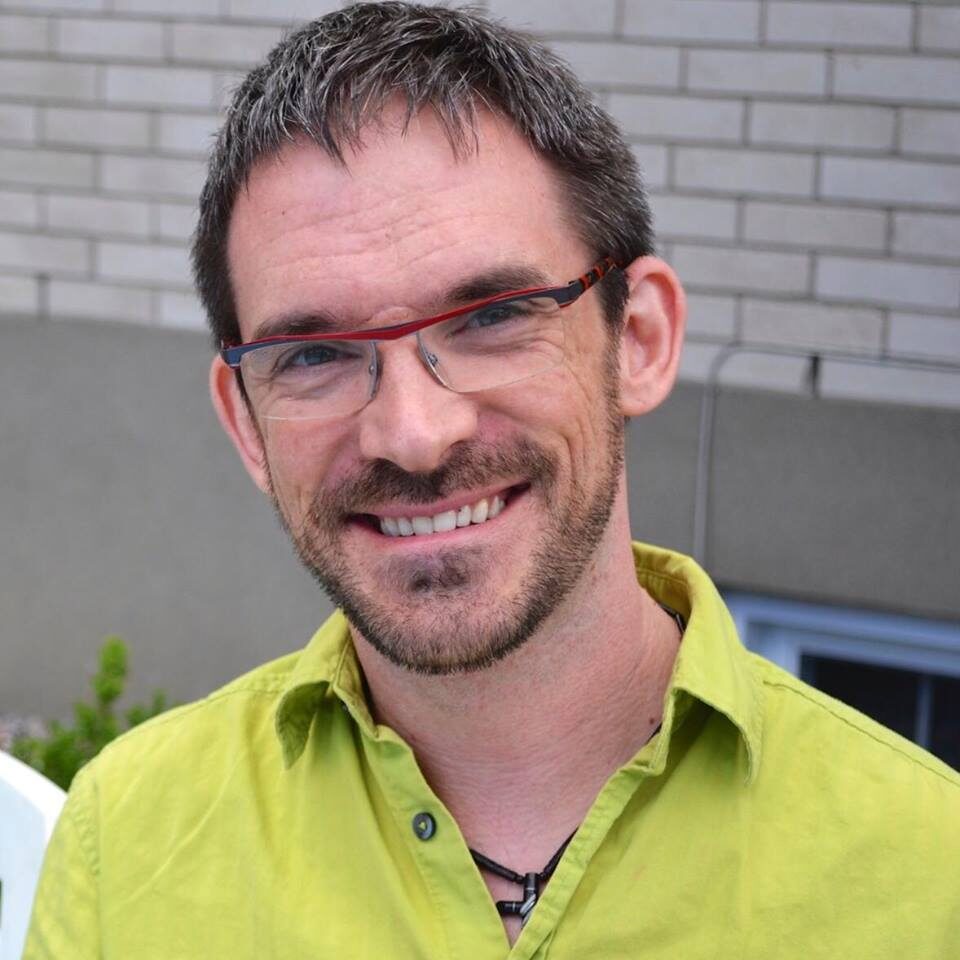
I will tell you why and I'll tell you what to do instead. My name is Etienne, and I was born with cerebral palsy. I've been a disabled person all my life, and I also have experience with adjusting to unexpected disabilities.
If you like real talk about disability that can help you thrive with your disability or your chronic condition -not despite of it, but with it- subscribe to my channel. We have a lot of things to talk about. I know that you're feeling the pressure. Society has not moved on from the two general archetypes of people with disability:
- The pitiful object of charity that no one wants to be, the person who lost with the disability, or 2., the superhero overcomer that faced adversity and that triumphed against all the challenges just to be put on temporary pedestals when people look at him so that everyone can be so inspired.
Non-disabled people do that all the time. They feel all warm and fuzzy inside when they listen to your story that is so inspired.
But then they go back to their lives and they don't really think about what you need or your example. And nothing changes. So what needs to change is the pressure you put on yourself.
You don't have to feel miserable and you don't have to feel that it is your obligation to make everyone feel good. You are not an inspirational porn star.
What you need to have a good life with disability is some room. Room to be only human.
Having good days, having rough days, being challenged,
being discouraged, but also realize that we're able to show up for ourselves and grow and achieve more of what we really care about. when we try to be a superhero with disability, what we call in the disability circles "a super -cripple,
It is not serving you because it also feed your internal ableism, the part of you that rejects yourself with your disability. I wanna suggest some shifts.
The Problem with "Fighting" Your Body
Quit that warrior narrative. It sets you up to lose a war against yourself. Your body, your disability, or your chronic illness is not your enemy. It's the only permanent teammate that you will have forever.
When you're constantly in fight mode, it leads you to burnout and shame. You start feeling guilty when you can't win, but accepting your limitation is not giving up. It's actually smart.
The freedom comes when you stop with the performance. You realize that the battle was never your body. It's the idea that you have to conquer it. That's a fight that you can't win because your body is just you. So the shame cycles starts. You try to be strong, but you fail sometimes because you're human and then you feel you're not trying hard enough.
Sometimes people tell you that and you believe it, but your capacity changes day to day and fighting that reality is like trying to fight the weather. It just wears you out.
You have to work with what you've got. And that's not defeat. It's a smarter way to play the game because when you're always at war with yourself, there's no peace.
That's the problem with inspiration. It ignores the cost, the real enemy isn't your disability. It is the expectation that you should overcome it, like it's a moral failing. That expectation comes from outside of us, but we internalize it.
We start to believe that we have to fight.
Your body is giving you all the data all the time. Pain, fatigue, brain fog. It's all information. Fighting it is like yelling at a warning light on your dashboard. It doesn't fix your problem, it just drains your battery.
The alternative is to become a detective, not a soldier. Understand what your body needs. That's where the real power is, not in concurring, but in collaborating,
The Warrior model is based on bursts of effort, but your life's a marathon. So stopping the fight is not surrendering.
It's a tactical position where you don't get exhausted pretending.
The Three Shifts to Make Instead : Shift One
But here's where
it can get interesting. Instead of fighting, you can do three shifts.
Shift One : From Overcoming To Adapting
Number one, shift from overcoming to adapting.
Redefine success based on your actual capacity. If you can't work a full day. success might be completing one important task. It's not lowering the bar, it's moving it where you can actually reach it.
I used to judge my day by how much I crossed on my to-do list. Now I'm asking what did I do that was meaningful with the energy I had today? That small change reduces pressure so much.
Shift Two : From Inspiration To Information
Number two, switch from inspiration to information. When people ask, share what works for you practically, but don't perform resilience. Look. "I climbed a mountain", you might say,
" but here's the strategy that got me through the grocery store today" is really more helpful.
It can help others, but it also keeps you honest. Because when you are sharing information, you are not on a pedestal. You are in a conversation.
When I started a blog about my adaptive tricks, the responses were, oh, I never thought of that. That's community building. That's not a spectacle.
Shift Three : From Warrior to Strategist
Third switch from being a warrior to becoming a strategist. Use your spoons, your energy level as a resource to plan your energy better. Just like a budget. If you know you'll have low spoons tomorrow, save some today.
Small example, I schedule high energy tasks for my good hours and I leave some rest space for after. It's not perfect, but it prevents me from burning out.
Another thing, listen to your body signals early.
If you feel tired, rest a bit before you get exhausted. That's strategizing like chess You think several moves ahead.
Application Examples
So for shift one adapting, maybe you break tasks into smaller steps.
Instead of cleaning the whole house, tidy one room. for shift two. Information. When someone asks you how you're managing, talk about your routine, not your struggle. " Oh, I use a high chair for cooking so that I can last a little longer" it's more helpful than just, "oh, I'm fighting through it."
For shift three the strategist, track your energy patterns, notice what drains you and what fills you up, and then plan around that. management becomes a skill that you're better and better at. These shifts, they're not huge, but they're good mental changes that can add up because when you're adapting, you're flexible, and when you're informing instead of inspiring, you're authentic. When you're strategizing, you're being proactive. And that beats being inspirational any day because inspiration is fleeting,
it never lasts long, but strategy is sustainable. you're building a life that works for you, not for an audience.
That's empowering. It takes the focus of the performance and puts it on living, right? So instead of wondering, am I inspiring you? Ask, am I thriving? And that question leads to better answers for you thriving looks different for everyone it might mean more rest or different goals, but it's yours,
not something that is dictated by able-bodied expectations.
A Better Story For Everyone
That's the key. You reclaim your story from a story of battle to a story of adaptation. It's more honest, and it's easier because you're not carrying the weight of everyone's expectations and inspiration anymore. You're just being you.
With all the ups and downs, and that's enough,
You'll see. It actually helps everyone, not just you, when we stop performing inspiration, we reduce internalized ableism.
We're not judging ourselves by able-bodied standards anymore. We share our actual reality, not some polished version of it, we connect our shared struggles and solutions together, and it makes room for bad days. Without moral judgment, you can say, oh, I'm having a rough day, and it's not lowering standards.
It challenges the idea that disability is a tragedy to overcome, instead it shows that it's a part of human experience and diversity. It creates a more inclusive world where people are valued for who they are, not by how they inspire others. So go ahead and quit that job. You don't have to inspire others anymore. You can be true to yourself.
Frequently Asked Questions
Why do people with disability feel pressure to inspire others?
Society has normalized two archetypes for people with disability: the pitiful charity case and the superhero overcomer. Both roles exist primarily to serve the emotional needs of non-disabled observers. The pressure to inspire emerges from a cultural expectation that disabled people must demonstrate exceptional resilience to earn respect or positive attention. This is a social construct, not a personal obligation, and it places a disproportionate emotional burden on disabled people.
What does it mean to treat your body as a teammate in disability?
Treating the body as a teammate means working with its actual capacities rather than demanding it perform as if the disability or chronic condition does not exist. The body is the only permanent, non-replaceable partner a person has. Accepting limitations in this framework is not capitulation - it is strategic self-alignment. It reduces the shame cycle produced by fight-mode thinking and creates conditions for sustainable wellbeing.
What does "inspirational porn" mean in disability?
"Inspirational porn" refers to the use of the stories or images of people with disabilities to generate feelings of motivation or gratitude in non-disabled audiences. The exchange is exploitative because it centers the observer's emotional experience while placing performance demands on the disabled person. It does not require the disabled person to benefit from the interaction, and it rarely produces structural or behavioural change in how disabled people are treated.
What is internal ableism in disability?
Internal ableism refers to the internalized belief that one's disability is a deficiency or failure - the part of a disabled person that rejects their own disability. Social archetypes like the "super-cripple" reinforce internal ableism by framing exceptional performance as the only legitimate way to have a disability. The more a disabled person feels pressure to be an overcomer, the more their ordinary human experience is cast as insufficient.
What is the "super-cripple" concept in disability culture?
"Super-cripple" is a term used in disability circles to describe the cultural expectation that disabled people must perform extraordinary achievement or resilience to be regarded as worthy of respect. The archetype places disabled people on temporary pedestals contingent on exceptional performance. It is unsustainable because it equates struggle, rest, or ordinary setbacks with failure, and it reinforces internal rejection of one's own disability.
Why is the warrior narrative harmful for people with disabilities
The warrior narrative frames disability as a battle the disabled person must win against their own body. Because the body and the disability are permanent, this framing sets up a war that cannot be won. Sustained fight mode leads to burnout and shame - particularly when natural limitations are experienced as personal defeat rather than as normal human variation. Treating the body as a permanent teammate produces more sustainable outcomes.
What does it mean to treat your body as a teammate in disability?
Treating the body as a teammate means working with its actual capacities rather than demanding it perform as if the disability or chronic condition does not exist. The body is the only permanent, non-replaceable partner a person has. Accepting limitations in this framework is not capitulation - it is strategic self-alignment. It reduces the shame cycle produced by fight-mode thinking and creates conditions for sustainable wellbeing.
What do people with disabilities actually need to live well?
People with disabilities need psychological and social permission to experience the full range of human life - good days, rough days, growth, and discouragement - without the pressure of performing for others' emotional comfort. The foundation of a good life with disability is ordinary humanity, not extraordinary achievement. This includes the ability to accept limitations without shame, to show up for one's own goals on one's own terms, and to work with the body rather than against it.
Etienne LeSage